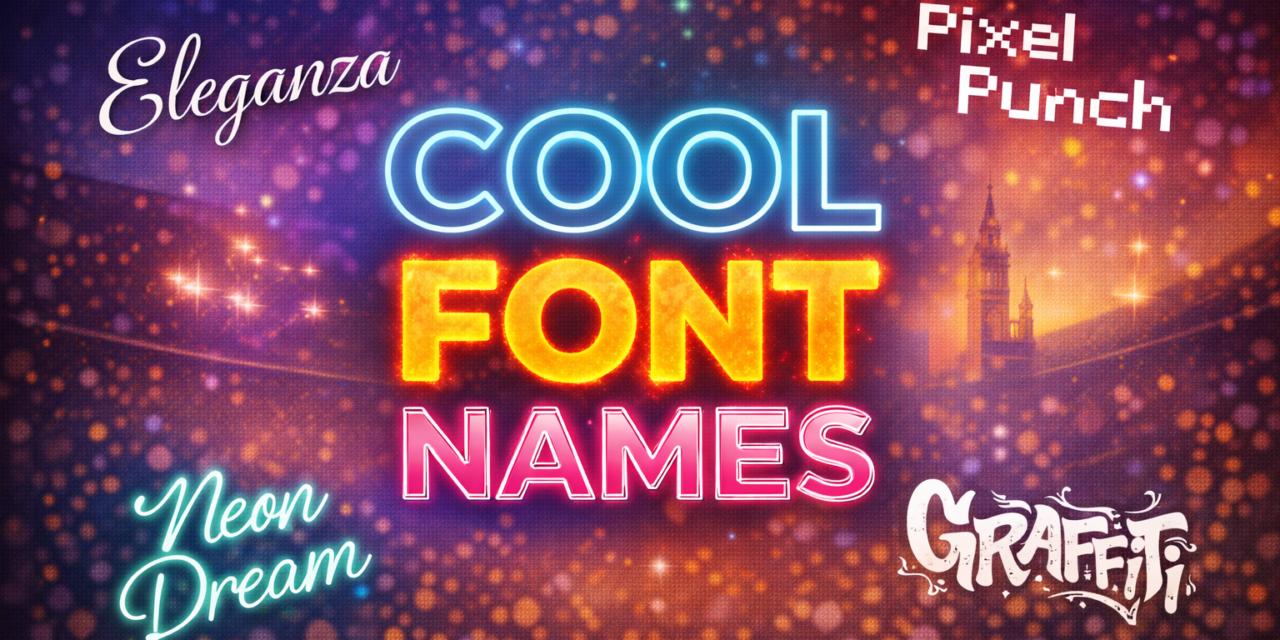
Cool font names shape how your message feels before anyone reads a single word, and that first impression matters more than you may realize. When you choose the right font, you instantly communicate personality, trust, creativity, or authority without explaining anything.
This guide helps you understand cool font names, how they work, and how you can use them confidently across websites, branding, and digital platforms in the United States.
What Makes Font Names “Cool” in Modern Design
Cool font names stand out because they reflect personality, emotion, or cultural relevance rather than sounding generic or forgettable. You notice them because they feel intentional, memorable, and aligned with a specific visual mood that fits modern digital expectations. When you understand this, you can choose fonts that instantly connect with your audience instead of blending into the background.
Font names often become cool when they suggest motion, creativity, confidence, or simplicity in a single word. Designers tend to gravitate toward names that hint at style, such as futuristic, elegant, bold, or playful, because they set expectations before the font is even applied. This psychological effect helps you guide user perception without adding extra design elements.
Another factor that makes font names cool is cultural timing and usage trends in branding and social media. Fonts that gain popularity on platforms like Instagram, YouTube, or startup websites often become cool because people see them repeatedly in successful designs. When you follow these patterns carefully, you can make informed choices instead of guessing.
Popular Categories of Cool Font Names
Cool font names usually fall into recognizable categories that help you narrow your choices quickly. Display fonts, script fonts, sans serif fonts, and decorative fonts each serve a different purpose depending on where you plan to use them. When you understand these categories, selecting the right font becomes faster and more strategic.
Display fonts are designed to grab attention, making them ideal for headlines, posters, and logos. These fonts often have bold shapes, creative letterforms, and names that suggest impact or personality. You should avoid using them for long paragraphs because readability can suffer at smaller sizes.
Script and handwritten fonts feel personal and expressive, which makes them popular for branding, invitations, and social media graphics. Their names often sound artistic or emotional, reinforcing their creative nature. When used carefully, these fonts can humanize your design without overwhelming the viewer.
Sans serif fonts dominate modern digital design because they feel clean, readable, and professional. Many cool font names in this category sound minimal or tech inspired, which aligns well with startups and web interfaces. If clarity matters most, this category gives you reliable options.
Cool Font Names for Logos and Branding
Choosing cool font names for logos requires balancing originality with long-term usability. A logo font must remain effective across websites, packaging, merchandise, and social media without losing clarity. When you focus on versatility, you avoid redesigning your brand too often.
Fonts used in branding often have names that imply strength, elegance, or innovation. These names reinforce brand identity by matching the tone you want your audience to feel. When people recognize your font style consistently, your brand becomes more memorable.
Many businesses combine custom logo fonts with supporting fonts for body text. This pairing creates hierarchy and improves readability while keeping the brand visually interesting. If you plan carefully, your logo font becomes a recognizable signature rather than just decorative text.
As you explore naming ideas for visual identities, things like cool names for businesses can inspire creative alignment between font style and brand naming strategies.
Cool Font Names for Social Media and Online Profiles
Social media platforms reward visual consistency and quick recognition, making cool font names especially valuable. Fonts used in usernames, bios, and graphics help you stand out in crowded feeds. When your text looks unique, people are more likely to stop scrolling.
Unicode based text styles often appear as cool fonts on social media, even though they are technically symbols rather than traditional fonts. These styles work because they can be copied and pasted directly into profiles without installation. When used sparingly, they add personality without harming readability.
Design focused fonts are better for images, thumbnails, and banners where clarity and brand alignment matter. Choosing fonts that scale well across mobile screens is essential for maintaining professionalism. A clean visual identity builds trust even in casual platforms.
If your goal is visual recognition across platforms, inspiration from cool usernames can help you match typography with naming style effectively.
Cool Font Names for Websites and User Experience
Web design demands fonts that balance style with performance, accessibility, and readability. Cool font names used on websites must load quickly and display consistently across devices. When you prioritize these factors, you improve both design and user satisfaction.
Sans serif fonts dominate web interfaces because they remain legible at various sizes and resolutions. Many popular web fonts have simple, modern names that reflect clarity and neutrality. These fonts work well for navigation menus, body text, and interactive elements.
Decorative fonts can still play a role on websites when limited to headings or accent text. Used correctly, they add personality without slowing down performance or distracting users. Understanding where to apply them is key to maintaining usability.
Typography studies show that readable fonts can improve comprehension by over 20 percent, which directly affects engagement and conversions. Choosing the right font is not just aesthetic but functional.
Decorative and Display Cool Font Names
Decorative and display fonts exist to make statements rather than blend in. Their names often sound bold, artistic, or dramatic, signaling that they are meant for visual impact. These fonts work best in controlled environments like posters, covers, and hero sections.
Because display fonts attract attention, they should be used sparingly. Overusing them can overwhelm your design and confuse readers. When paired with neutral body fonts, they become powerful visual anchors.
Many designers test display fonts at different sizes before committing to them. This practice ensures that the font remains legible and visually balanced. A font that looks great in one context may fail in another.
For creative projects tied to identity or entertainment, aligning typography with theme improves immersion. Fonts that feel intentional enhance storytelling and emotional connection.
Handwritten and Script Cool Font Names
Handwritten and script fonts add warmth, creativity, and authenticity to your design. Their names often suggest personal expression or artistic flair, which makes them appealing for lifestyle brands. When used thoughtfully, these fonts create emotional resonance.
These fonts work well for quotes, headings, and accents rather than long paragraphs. Their organic shapes can reduce readability if overused. Understanding this limitation helps you avoid common design mistakes.
Script fonts are popular in wedding designs, beauty brands, and creative portfolios. Their flowing letterforms communicate elegance and care. Pairing them with clean sans serif fonts creates contrast and balance.
If your design goal is approachability, script fonts offer a strong emotional advantage. You just need to apply them with restraint to maintain professionalism.
Cool Font Names for Gaming and Entertainment
Gaming and entertainment industries rely heavily on strong visual identity, making cool font names essential. Fonts in this space often feel futuristic, aggressive, or playful depending on the genre. When typography matches the theme, immersion improves significantly.
Display and techno fonts dominate gaming logos and interfaces. Their sharp angles and bold strokes communicate energy and competition. These fonts work well for titles, banners, and promotional materials.
Readability still matters even in stylized designs. Fonts used in menus or instructions should remain clear at small sizes. Balancing creativity with function ensures better user experience.
For themed identities and fictional worlds, typography helps establish tone quickly. Fonts become part of the storytelling rather than just decoration.
Examples of Cool Font Names to Use
Futuristic Cool Font Names
- Neon Vector
- Quantum Line
- Astro Core
- Cyber Drift
- Nova Circuit
- Ion Pulse
- Hyper Grid
- Stellar Code
- Dark Silicon
- Plasma Run
Aesthetic Cool Font Names
- Soft Aura
- Velvet Sky
- Lunar Petal
- Cloud Muse
- Rose Static
- Calm Ink
- Pastel Echo
- Moon Whisper
- Gentle Bloom
- Silent Drift
Gaming Cool Font Names
- Killzone Text
- Iron XP
- Rage Pixel
- Headshot Type
- Nitro Strike
- Respawn Sans
- Warbyte
- Toxic HUD
- Shadow Loot
- Final Boss
Luxury Cool Font Names
- Gold Serif
- Noir Class
- Velvet Crown
- Royal Axis
- Prestige Ink
- Diamond Line
- Luxe Script
- Monarch Type
- Opulent Sans
- Black Label
Handwritten Cool Font Names
- Ink Diary
- Casual Note
- Scribble Flow
- Human Touch
- Paper Mood
- Quick Pen
- Soft Stroke
- Daily Script
- Freehand Ink
- Loose Letter
Minimal Cool Font Names
- Clean Axis
- Pure Mono
- Lineform
- Zero Space
- Simple Core
- Neutral Type
- Bare Sans
- Plain Grid
- Calm Mono
- Clearform
Retro Cool Font Names
- Neon Arcade
- VHS Classic
- Pixel Disco
- Old Tape
- Synth Wave
- Retro Drive
- Analog Glow
- Cassette Bold
- 80s Grid
- Flashback Type
Logo-Specific Cool Font Names
- Brandforge
- Icon Script
- Markline
- Emblem Sans
- Identity Type
- Logo Prime
- Signature Ink
- Brand Axis
- Visual Mark
- Core Identity
Social Media Cool Font Names
- Viral Text
- Bio Glow
- Story Type
- Caption Flow
- Insta Pop
- Reel Sans
- Clickbait Bold
- Trend Ink
- Feed Style
- Profile Mono
Creative Display Cool Font Names
- Shockwave
- Chaos Type
- Electric Bloom
- Loud Serif
- Bold Riot
- Visual Noise
- Type Explosion
- Graphic Storm
- Ink Smash
- Impact Flux
How to Choose Cool Font Names for Your Project
Choosing the right font begins with understanding your purpose and audience. You should ask whether your design needs to feel serious, playful, bold, or minimal. Clear goals prevent random font selection.
Testing fonts in real layouts helps you see how they perform in context. What looks cool in isolation may not work in full design. Previewing fonts saves time and prevents redesigns.
Licensing is another important consideration when choosing fonts. Some fonts are free for personal use but restricted commercially. Always verify usage rights before committing to a font.
Your final choice should support your message rather than distract from it. When typography aligns with content, the design feels intentional and professional.
Cool Font Names vs Font Styles Explained
Font names and font styles often get confused, but they serve different roles. The name identifies the typeface, while the style refers to variations like bold or italic. Understanding this distinction improves your design precision.
A single font name can include multiple styles for different use cases. This flexibility allows consistency across headings, body text, and emphasis. Designers value fonts that offer variety within one family.
Using too many font names in one project can reduce cohesion. Limiting your selection creates a unified visual language. Consistency strengthens brand recognition and readability.
When you master font structure, your designs feel more intentional and refined. Typography becomes a strategic tool rather than an afterthought.
Trends in Cool Font Names for the USA Market
Typography trends in the United States often reflect broader design movements. Minimalism, accessibility, and digital friendliness dominate current preferences. Font names that feel modern and neutral tend to perform well.
Tech startups favor clean sans serif fonts that scale across platforms. Entertainment brands experiment with expressive display fonts that capture attention quickly. These differences highlight how industry influences font choice.
According to design surveys, over 70 percent of users judge brand credibility based on visual presentation. Typography plays a major role in that perception. Choosing the right font can directly influence trust.
Staying aware of trends helps you remain relevant without copying competitors. Strategic adaptation keeps your design fresh and effective.
Conclusion
Cool font names influence how your audience perceives your message before they engage with your content. When you understand categories, usage contexts, and audience expectations, typography becomes a powerful design asset. By choosing fonts intentionally, testing them carefully, and aligning them with your goals, you create designs that feel professional, engaging, and memorable.
Typography is not just decoration but communication. Each font choice shapes tone, clarity, and trust. When you apply the insights from this guide, you gain confidence in selecting cool font names that elevate your projects and support long-term success.